BRICS Currency Impact On The US Dollar: How Emerging Powers Are Reshaping Global Reserve Currency Dynamics
BRICS Currency Impact On The US Dollar: How Emerging Powers Are Reshaping Global Reserve Currency Dynamics
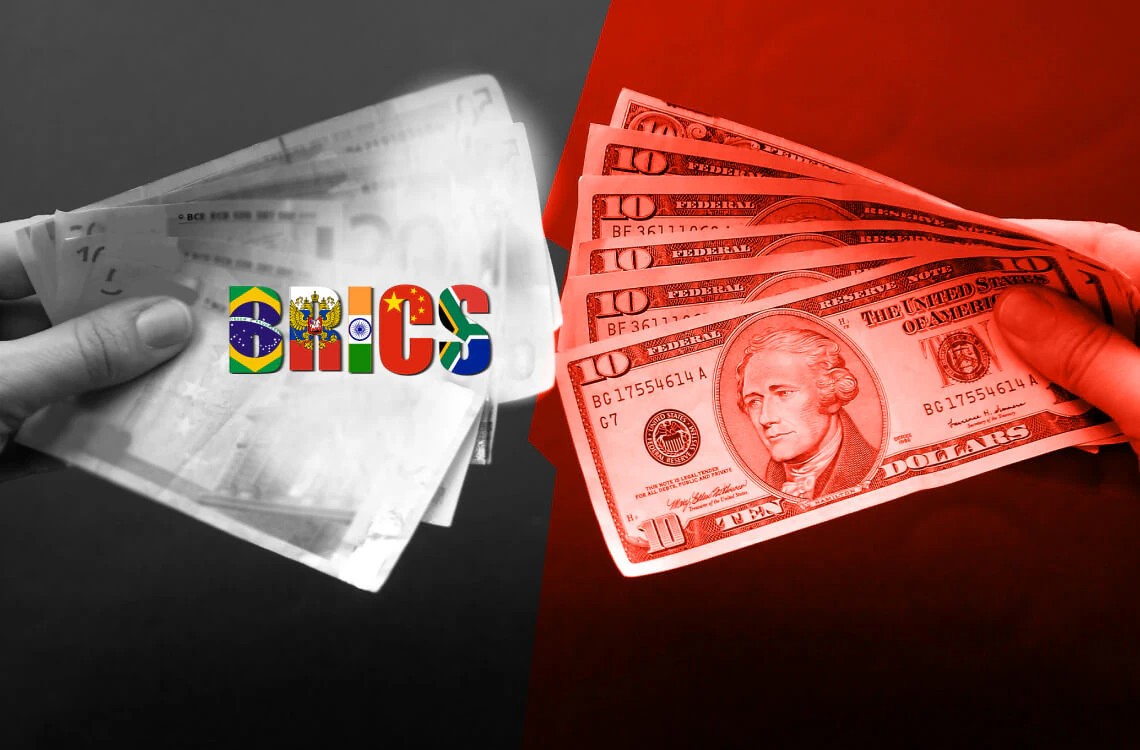
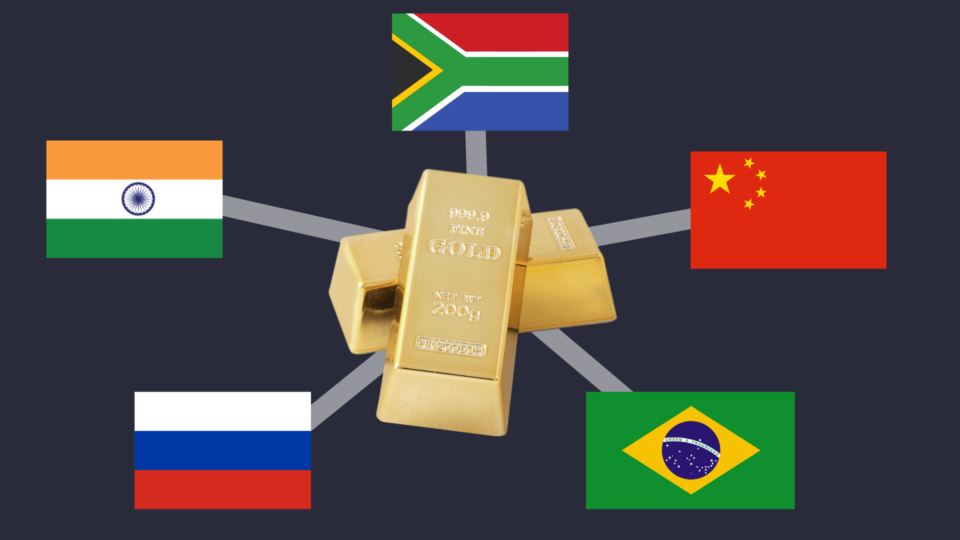
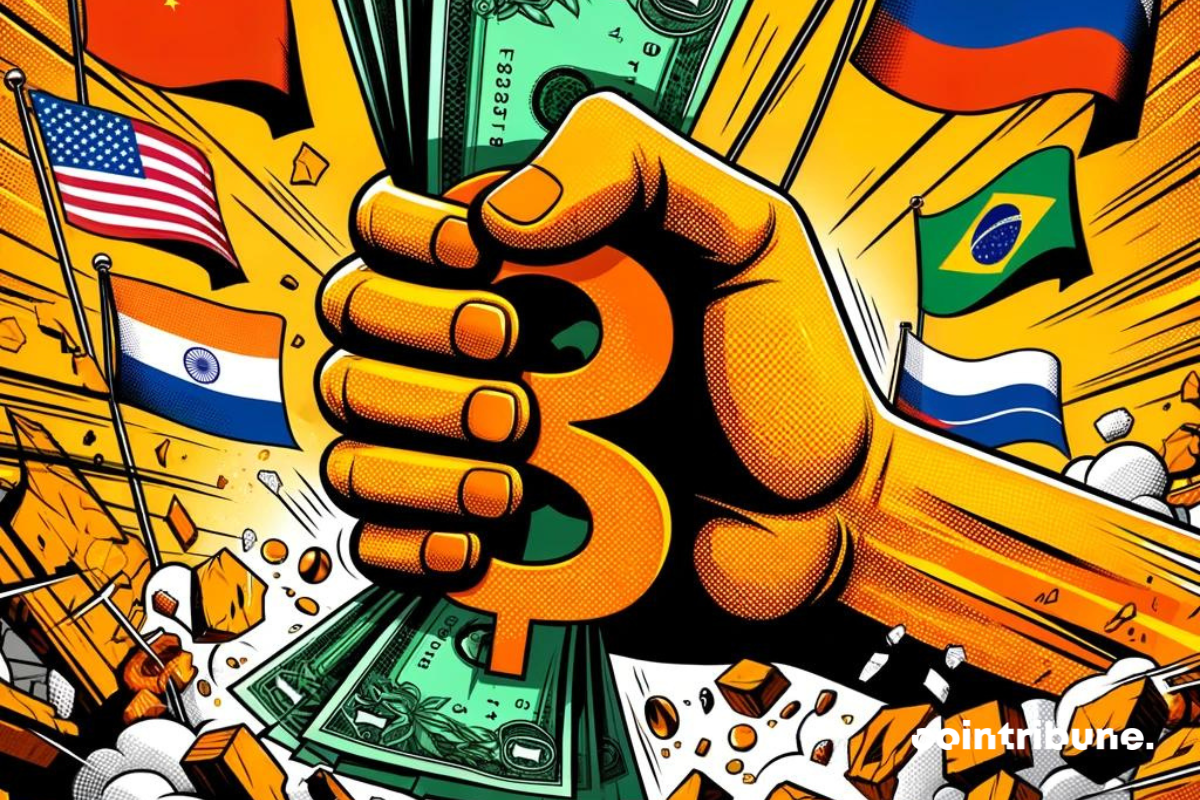
As global financial architecture evolves, the rise of BRICS nations—Brazil, Russia, India, China, and South Africa—and their nascent discussions on a common currency are triggering profound shifts in the dominance of the US dollar in international trade and finance. What began as a strategic dialogue within this economic bloc has evolved into a tangible force challenging the dollar’s long-standing reserve currency status. By exploring the historical reliance on the dollar, the evolving BRICS collaborative vision, currency swap mechanisms, and real-world economic indicators, this analysis reveals how the bloc’s ambitions may redefine global currency hierarchies.
The Enduring Dominance of the US Dollar and Its Global Reserve Role
For decades, the US dollar has anchored the world financial system, serving as the primary currency for international trade settlements, central bank reserves, and cross-border investment.
As of 2024, the dollar accounts for over 60% of global foreign exchange reserves, with trillions held in held across central banks worldwide. This unrivaled status grants the United States unmatched economic leverage, including control over monetary policy transmission and fiscal influence through tools like sanctions. Yet, cracks in this dominance are emerging—driven by geopolitical realignments, diversification efforts, and rising skepticism about long-term dollar stability.
The dollar’s dominance, rooted in post-WWII institutions like Bretton Woods, has been reinforced by the depth and liquidity of US financial markets, the strength of dollar-denominated debt instruments, and the timing of major economies’ reserve accumulation.
However, persistent structural imbalances—such as growing US fiscal deficits and debt-to-GDP ratios—have fueled concerns about long-term sustainability, prompting nations to seek alternatives.
BRICS: From Economic Bloc to Currency Collaboration Vision
Brushing aside initial skepticism, BRICS countries have advanced from coordinated policy dialogue toward intentional financial integration. Since 2021, summits have increasingly focused on reducing dependency on the dollar through bilateral and multilateral initiatives. The shift is driven by shared goals: enhancing trade efficiency, insulating economies from US sanctions, and asserting greater influence in global finance.
Central to this transformation is the exploration of a BRICS common currency—a concept gaining momentum as member states recognize the strategic advantages of a unified payments platform.
While not a literal single currency, the envisioned framework would enable cross-border settlements in national currencies or a dedicated hybrid instrument. This initiative mirrors historical precedents—like the Euro—aimed at boosting intra-bloc trade by minimizing exchange rate volatility and transaction costs. As BRICS nations advance interoperability in digital payment systems, the very architecture of global trades risks decentralization beyond the dollar’s reach.
Currency Swap Agreements: Practical Foundations for Reduced Dollar Dependence
Even before a formal currency union, BRICS members have deployed bilateral currency swap lines as a pragmatic mechanism to bypass the dollar in trade.
Since 2021, China and Brazil have led this effort, establishing multi-billion-dollar swap agreements that facilitate direct yuan-real and renminbi-real settlements. These arrangements reduce transaction friction, lower hedging risks, and bypass US dollar conversion fees. India, Russia, and South Africa have since joined or expanded such partnerships, creating a network reducing reliance on dollar dominants.
In 2023 alone, BRICS countries expanded swap lines worth over $50 billion, covering diverse currencies and enabling seamless trade among members.
Such mechanisms not only support immediate transactional needs but also build institutional trust—critical for long-term currency substitution. When two major emerging economies can settle billions with each other outside dollar channels, the symbolic and practical significance is transformative.
Mechanics and Challenges of a BRICS Currency Framework
Developing a cooperative BRICS currency faces significant hurdles. Each nation’s economic structure, fiscal discipline, and monetary policy differ markedly: China’s state-directed model contrasts with India’s market-driven approach; Brazil’s commodity export economy diverges sharply from Russia’s sanctions-adjuted financial system.
Synthesizing these into a cohesive framework demands alignment on inflation targets, exchange rate regimes, and policy coordination—difficult in a bloc lacking a unified fiscal authority.
Technical challenges are equally daunting. Building secure, real-time payment infrastructure across disparate banking systems requires unprecedented technical integration and cybersecurity coordination. Additionally, political cohesion remains fragile, especially amid divergent foreign policy positions—most notably India’s balancing act with both BRICS and Western alliances.
Yet, incremental progress persists: pilot digital currency platforms using central bank technology (CBDCs) suggest plausible pathways forward, with early prototypes tested in cross-border peer-to-peer transactions.
Macroeconomic Indicators: Assessing the Dollar’s Inching Margins
Several measurable trends underscore widening space for BRICS currencies. Over the past three years, BRICS nations have accelerated efforts to denominate trade in local currencies, with non-dollar settlement volumes growing at over 30% annually. Brazil and India now settle over 25% of each other’s commodity exports—primarily agriculture and energy—using local currencies, reducing dollar exposure by billions annually.
Central bank foreign exchange reserves reflect this slow rebalancing.
Exceptional growth in China’s offshore yuan holdings, India’s rupee liquidity in bilateral agreements, and increased Russian ruble usage in energy trades signal a shift. While the dollar’s reserve share remains near 60%, its absolute dominance
Related Post

Farruko’s Net Worth: From Reggaeton Stardom to Over $100 Million

The Maloof Family Net Worth: From Innovation to Influence

Unlocking the Future: How TNgHPPromptChoVeo3 is Revolutionizing Prompt Engineering

Zodiac Killer’s Ciphers Finally Cracked: Decoding Decades of Cryptic Terror