Where Are The Light Reactions? Unlocking The Secrets Of Photosynthesis’ First Act
Where Are The Light Reactions? Unlocking The Secrets Of Photosynthesis’ First Act
Nestled within the thylakoid membranes of chloroplasts lies the intricate choreography of the Light Reactions—part of photosynthesis that converts sunlight into chemical energy. These reactions are not merely a biochemical sequence but a vital gateway through which solar energy fuels life on Earth. Yet, despite their central role, the precise location and function of the Light Reactions remain misunderstood by many.
From the grana stacks to the stacked membrane compartments, this article explores exactly where these reactions unfold, their structural context, key molecular players, and their undeniable importance in sustaining global ecosystems.
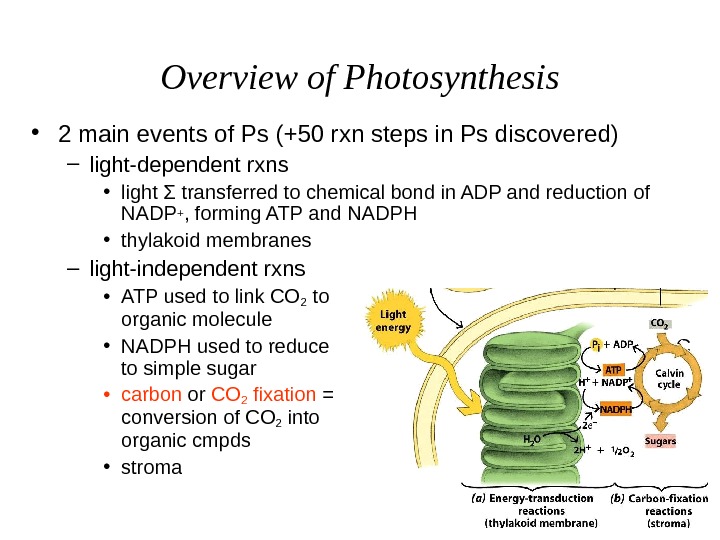
The Light Reactions occur almost exclusively within the thylakoid membranes of chloroplasts, specialized organelles packed with photosynthetic pigments and protein complexes. These membranes are organized into flattened, interconnected sacs called thylakoids, grouped into stacks known as grana—visible under high-resolution microscopy as dense clusters of interconnected discs.
It is here, within this electrochemically charged microenvironment, that light energy is captured and transformed into ATP and NADPH, essential energy carriers for the subsequent stage of photosynthesis.
Thylakoid Architecture: The Physical Stage
The thylakoid membrane serves not only as a housing for the molecular machinery but as a dynamic reactor where gradients and complexes orchestrate energy transduction. Composed of lipid bilayers interspersed with transmembrane proteins, the thylakoid system includes several critical components:- Photosystems I and II (PSI and PSII): These multi-protein complexes absorb photons and initiate electron transport with remarkable efficiency.
- Cytochrome b6f complex: A key proton pump that strengthens the electrochemical gradient by shuttling electrons between photosystems.
- ATP synthase: Molten gold engine that converts proton motive force into ATP, the universal cellular energy currency.
- Plastoquinone and ferredoxin: Mobile electron carriers bridging the complexes.
“The stacking of grana creates microenvironments where light absorption and electron transport are synchronized, boosting reaction rates dramatically.”
The grana’s stacked structure enhances light harvesting by concentrating photosystems in regions exposed to sunlight, while stromal lamellae connect grana stacks to peripheral membranes, enabling dynamic regulation of energy flow. This architectural sophistication ensures reactions proceed efficiently under fluctuating light conditions—critical for plant survival in diverse ecosystems.
Where Precisely In The Thylakoid Do The Light Reactions Occur?
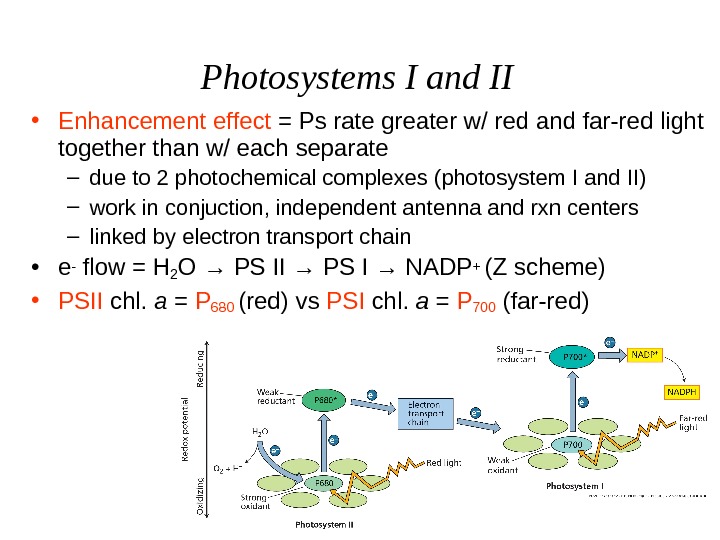
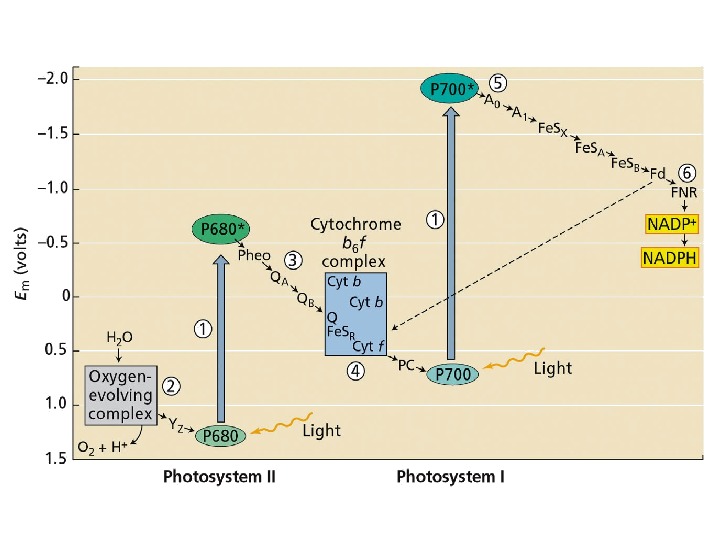
The Light Reactions primarily unfold in the thylakoid membrane, with photosystems embedded in specific membrane domains. Photosystem II (PSII) is predominantly concentrated in the grana stacks, where high light availability stimulates its activity.PSII initiates the process by absorbing photons, triggering the splitting of water molecules—a process known as photolysis—releasing oxygen and electrons. These electrons then flow through the electron transport chain via plastoquinone, cytochrome b6f complex, and plastocyanin before reaching Photosystem I (PSI), localized both in grana and stromal lamellae. Upon re-excitation by light, PSI transfers electrons to ferredoxin, ultimately reducing NADP+ to NADPH.
While PSII dominates grana regions, PSI is more evenly distributed across grana and stromal lamellae, facilitating electron cycling and optimizing redox balance. Recent advances in super-resolution microscopy have confirmed that reaction center proteins coexist with antenna complexes in nanoscale clusters, effectively forming functional supercomplexes that regulate energy transfer with incredible precision. This spatial organization accelerates electron transfer while minimizing wasteful recombination.
Energy Transduction: From Light To Chemical Fuel
The core function of the Light Reactions is converting light energy into adenosine triphosphate (ATP) and NADPH—molecules that fuel the Calvin-Benson cycle to fix carbon dioxide into sugars.The sequence proceeds in three main phases:
- Light absorption: Pigments in photosystems capture photons, exciting electrons to higher energy states.
- Electron transport: Excited electrons move through the chain, releasing energy used to pump protons across the thylakoid membrane, generating a proton motive force.
- Chemiosmotic ATP synthesis: Protons flow back through ATP synthase, driving phosphorylation of ADP into ATP.
Each step is finely tuned: PSII drives strong proton pumping via water splitting, while PSI boosts electrons needed for NADPH production. The result? A steady supply of energy carriers essential for plant growth and global biomass.
Photoprotection plays a crucial role too—when light intensity exceeds utilization capacity, excess energy risks damaging the photosynthetic apparatus.
The thylakoid membrane mitigates this through dynamic protein reconfiguration—like the voltage-dependent mitochondrial uncoupling found in other systems—dissipating excess energy as heat through a process known as non-photochemical quenching. This biosafety valve preserves long-term functionality and prevents oxidative stress.
The Global Impact Of Light Reactions
The Light Reactions are far more than a botanical curiosity—they are the foundation of Earth’s biosphere. By harnessing solar energy, plants convert carbon dioxide into organic compounds, supporting food chains and regulating atmospheric composition.Approximately 60% of global primary production fuels terrestrial and marine ecosystems, making the efficiency of these membrane-bound reactions pivotal to climate stability and biodiversity.
Moreover, the principles governing light capture and energy conversion in thylakoid membranes inspire cutting-edge research in artificial photosynthesis and renewable energy. Scientists model synthetic systems on natural supercomplexes to develop more efficient solar fuels technologies—aiming to replicate nature’s precision in capturing sunlight and producing clean energy. In essence, the Light Reactions are the unsung heroes of photosynthesis—hidden in the thylakoid membranes, orchestrating an exquisite dance of energy transfer and transformation that sustains life across the planet.
Their exact localization within structured microenvironments ensures maximum efficiency, while their integration with downstream metabolic pathways underscores biology’s elegant design of energy flow. Understanding where, how, and why these reactions unfold illuminates not just plant physiology, but the very rules governing energy use on Earth. Beyond breathtaking biochemistry, the Light Reactions are a testament to nature’s ingenuity—a sustainable energy system evolved over millions of years, now anchoring future innovations in clean technology and ecological resilience.

Related Post

Revolutionizing Agriculture with Crazy Cattle 3D: Bringing Virtual Herds to Life

From Football Fields to Dance Floors: Jason Kelce’s Unmatched Grit in Motion

Papa Pizzeria Unblocked

Ice Cream Hair: When Sweet Treats Stick to Your Top in the Warmest Days


